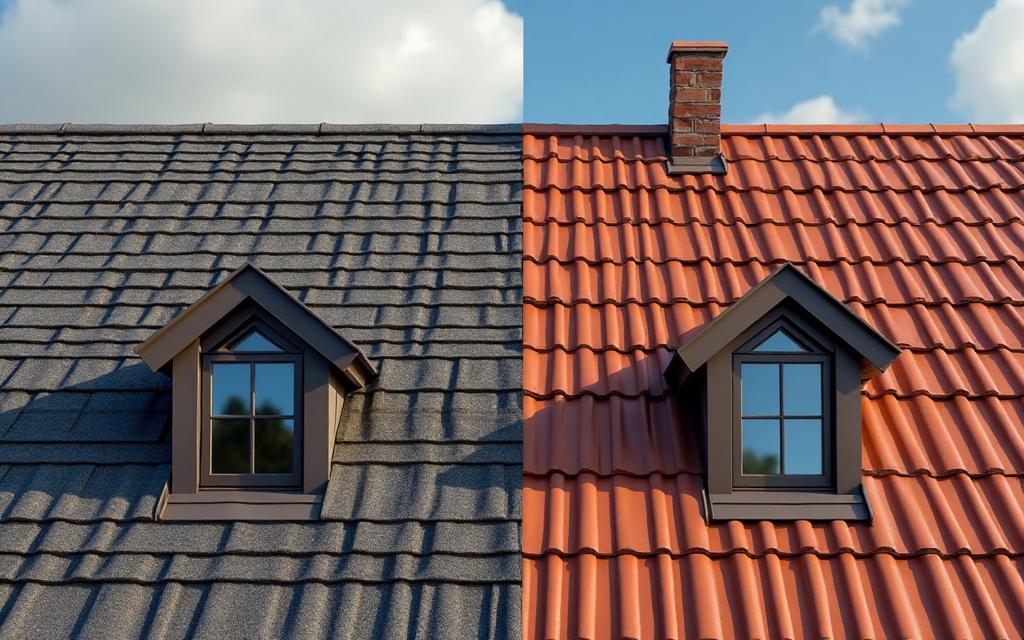
Choosing between roofing materials involves weighing upfront cost, lifespan, aesthetics, and performance in Florida's demanding climate.
Replacing your roof is one of the biggest home improvement investments you'll make. With an average cost of $8,000–$25,000 depending on materials and size, the choice of roofing material has a massive impact on your home's value, energy efficiency, storm resistance per Florida Building Code, and maintenance demands. In Pinellas County's unique climate — intense UV, tropical humidity, hurricane-force winds, and heavy rainfall — not all roofing materials perform equally. Get your free roofing material consultation: (727) 274-9174.
As licensed Largo roofing contractors (CCC/CBC certified), we install all major roofing types across Pinellas County: asphalt shingles, architectural shingles, concrete tile, clay tile, standing seam metal, TPO, EPDM, and more. Here's our honest, comprehensive breakdown of the five main roofing material types approved under Florida Building Code, so you can choose with confidence.
Asphalt Shingles
Pros
- •Most affordable upfront cost
- •Wide variety of colors & styles
- •Easy to repair and replace
- •Works well in all Florida climates
- •Widely available contractors
✕ Cons
- •Shorter lifespan than tile or metal
- •Higher maintenance in harsh UV
- •Susceptible to algae growth in humidity
- •Lower wind resistance than premium options
Our Verdict: Best for: Budget-conscious homeowners seeking proven reliability. Upgrade to impact-resistant (IR) shingles for better storm performance.
Clay & Concrete Tile
Pros
- •Iconic Florida aesthetic
- •Excellent heat resistance — ideal for hot climate
- •Very long lifespan (40–50+ years)
- •Fire resistant
- •Low maintenance once installed
✕ Cons
- •High upfront cost
- •Heavy — may require structural reinforcement
- •Tiles can crack under foot traffic
- •More expensive repairs
Our Verdict: Best for: Homeowners wanting the classic Florida Mediterranean or Spanish aesthetic with a long-term investment mindset.
Metal Roofing
Pros
- •Exceptional lifespan (40–70 years)
- •Wind resistant up to 140+ mph
- •Highly energy-efficient (reflects solar heat)
- •100% recyclable
- •Low maintenance
✕ Cons
- •Higher upfront cost than asphalt
- •Can be noisy in heavy rain (without insulation)
- •Expansion & contraction over time
- •Requires experienced installer
Our Verdict: Best for: Homeowners prioritizing longevity, storm resistance, and energy efficiency. Excellent ROI over 30+ year time horizon.
Flat / Low-Slope Roofing
Pros
- •Common for Florida commercial & some residential
- •Accessible for HVAC and solar equipment
- •Less material needed than pitched roofs
- •Can double as usable roof deck space
✕ Cons
- •Requires precise drainage design
- •Prone to ponding water if improperly installed
- •More frequent inspection needed
- •Specific material types required (TPO, EPDM, modified bitumen)
Our Verdict: Best for: Commercial buildings and Florida homes with low-slope architecture. Requires experienced flat roof specialist.
Modified Bitumen / Built-Up Roofing
Pros
- •Excellent waterproofing for flat roofs
- •Multiple layers provide redundancy
- •Good impact resistance
- •Cost-effective for commercial applications
- •Easy to inspect and maintain
✕ Cons
- •Petroleum-based — not the greenest option
- •Requires professional installation
- •Heat from torch-applied systems requires fire safety precautions
- •Shorter lifespan than metal or tile
Our Verdict: Best for: Flat commercial roofs and rental properties where cost-effective waterproofing is the top priority.
How to Choose: Key Questions to Ask
What's my budget?
Asphalt shingles are the most affordable. Metal and tile cost more upfront but have superior longevity.
How long will I own this home?
Staying 5–10 years? Asphalt makes sense. Planning to stay 20+ years? Metal or tile delivers better ROI.
Does my HOA have restrictions?
Many Florida HOAs specify approved colors and materials. Check before choosing.
What does my insurance say?
Impact-resistant materials may significantly reduce your premiums. Ask your insurer before deciding.
What's my roof's slope?
Flat or low-slope roofs need specialized materials (TPO, modified bitumen). Standard shingles and tile require adequate slope.