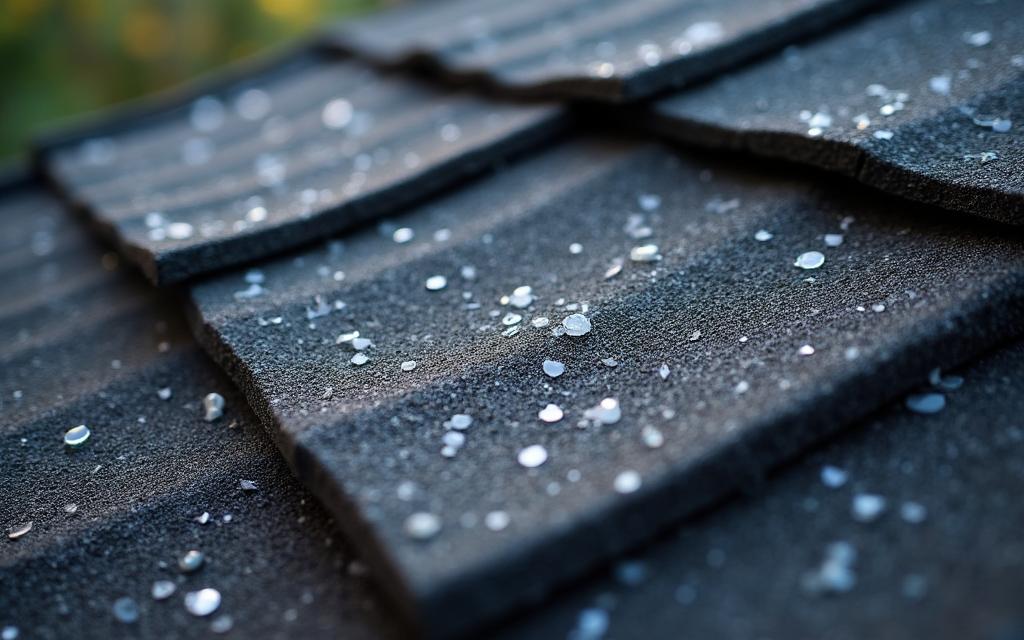
Hail impacts knock granules loose from asphalt shingles, exposing the fiberglass mat beneath and accelerating deterioration.
Florida may not get blizzards, but our powerful thunderstorm season delivers hailstorms that can wreak havoc on residential roofs throughout Pinellas County. Unlike wind damage that's often obvious, hail damage to asphalt shingles, concrete tile, and metal roofing can be subtle and requires professional assessment. Acting quickly and systematically after a hailstorm is the key to protecting your Largo or Clearwater home and getting proper repairs done.
In this step-by-step homeowner's guide from our licensed Florida roofing contractors (CCC/CBC certified), we'll walk you through exactly what to do in the hours and days after a hailstorm hits Pinellas County, from the initial safety check to choosing a repair contractor and professional documentation. Need emergency hail damage tarping? Call (727) 274-9174 - 24/7 service available.
Important: Document all storm damage promptly with photos and professional inspections. Acting quickly helps prevent secondary damage and ensures accurate damage assessment for your property records.
Stay Safe — Don't Go on Your Roof Immediately
After a hailstorm passes, your first instinct might be to climb up and check the damage. Resist this urge. Your roof surface may be wet and slippery, and the storm may not be completely finished. Wait until the storm has fully cleared, skies are dry, and at least a few hours have passed. Your safety comes before any assessment.
Pro Tip: If the storm was severe, stay inside and check local weather alerts before venturing out at all.
Do a Ground-Level Visual Inspection
Walk around your home and look for obvious signs of damage from the ground. Look for dents in gutters, downspouts, and AC units — these softer metals are the most visible indicators of hail size and intensity. Check for displaced or missing shingles. Look for damage to window screens, fascia boards, and wooden fences. These are all signs that your roof took a hit too.
Pro Tip: Use binoculars for a better view of your roof from the ground. Document everything you see with photos before any cleanup.
Document All Damage Thoroughly
Before you move, repair, or clean anything, document every piece of damage with photos and video. This documentation is critical for your insurance claim. Photograph your gutters, downspouts, AC unit, any damaged siding, and anything else you can see. If you have a drone, use it. Your insurance adjuster will rely heavily on this evidence, and the more you have, the better your claim outcome.
Pro Tip: Timestamp your photos with your phone. If possible, also photograph the hailstones on the ground to document their size before they melt.
Schedule a Professional Roof Inspection
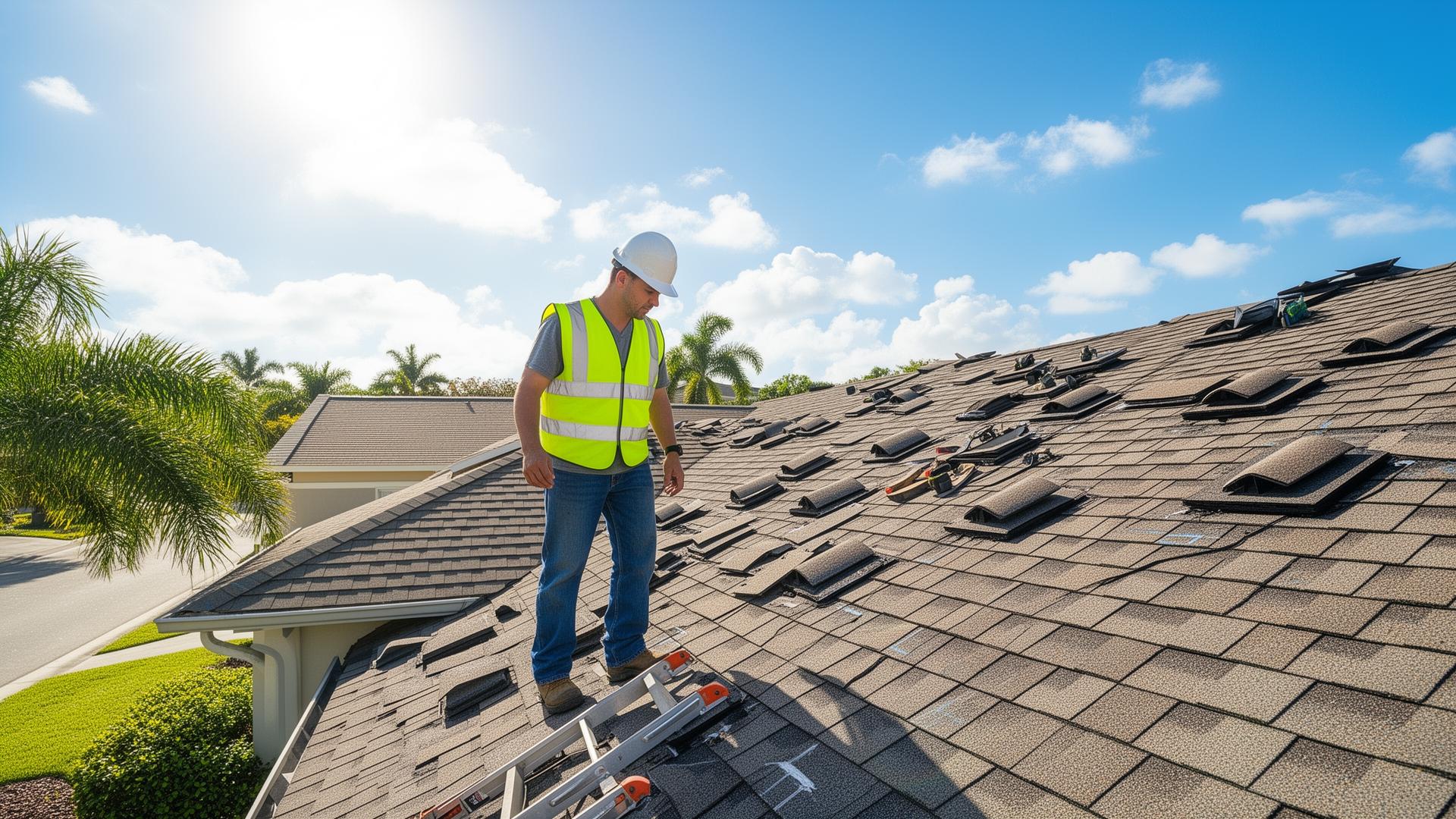
Hail damage to shingles isn't always obvious from the ground. A licensed roofing contractor knows exactly where to look — soft spots on shingles where granules have been knocked loose, bruising on the fiberglass mat beneath, and damage to flashing and seals. Many contractors offer free hail damage inspections. Get one promptly after the storm for comprehensive documentation and accurate damage assessment.
Pro Tip: Beware of storm-chasing contractors who show up at your door after major weather events. Always verify licenses and check reviews before hiring.
Get Detailed Repair Estimates
Get at least two or three written estimates from licensed roofing contractors before committing to repairs. Ensure each estimate is itemized — listing materials, labor, warranty details, and any additional work needed. Compare not just price, but also the scope of work, timeline, and contractor credentials to make an informed decision.
Pro Tip: Choose a contractor who is licensed in Florida, carries liability and workers' comp insurance, and can provide local references from recent hail repair jobs.
Schedule Repairs Promptly
After a major hailstorm, roofing contractors get very busy and wait times can stretch to weeks or months. Schedule your repairs as soon as you've selected a contractor to avoid further damage from subsequent rain or storms. If there's active damage that could allow water infiltration, ask your contractor about temporary tarping while you wait for the full repair.
Pro Tip: Keep all receipts, invoices, and written communications with your contractor. You may need these for warranty claims or future reference.
Post-Hailstorm Quick Checklist
-
1
Wait for the storm to pass completely before going outside
-
2
Document all visible damage with photos and video
-
3
Call your insurance company within 24–48 hours
-
4
Schedule an independent roof inspection before the adjuster visits
-
5
Get multiple written estimates from licensed Florida contractors
-
6
Schedule repairs promptly to prevent further water damage
The Bottom Line
Hailstorms are a fact of life in Florida, but the damage they cause to your roof doesn't have to become a financial disaster. By acting quickly, documenting thoroughly, and working with a reputable local roofing contractor, you can navigate the insurance process confidently and get your roof repaired with minimal stress.