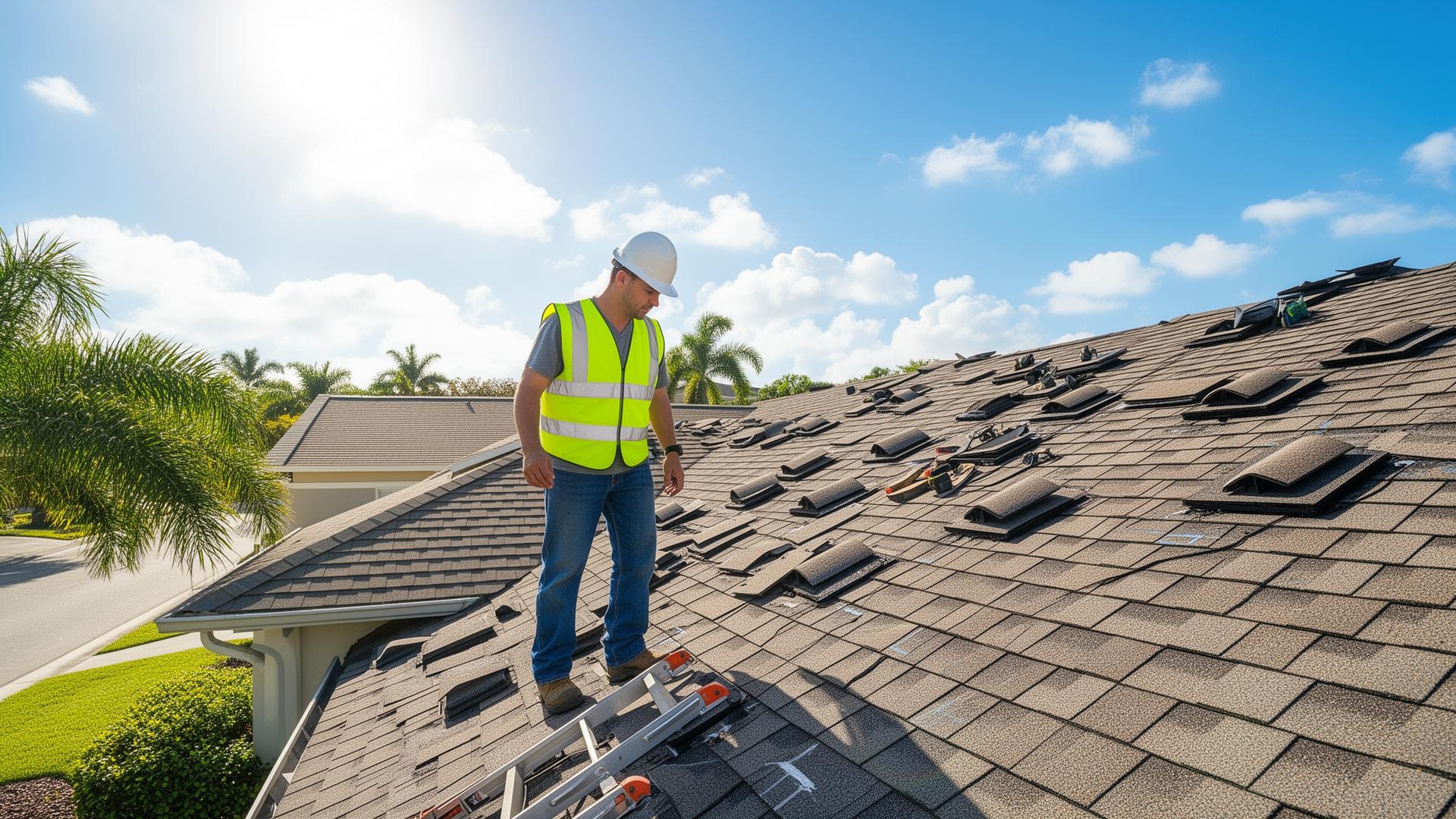
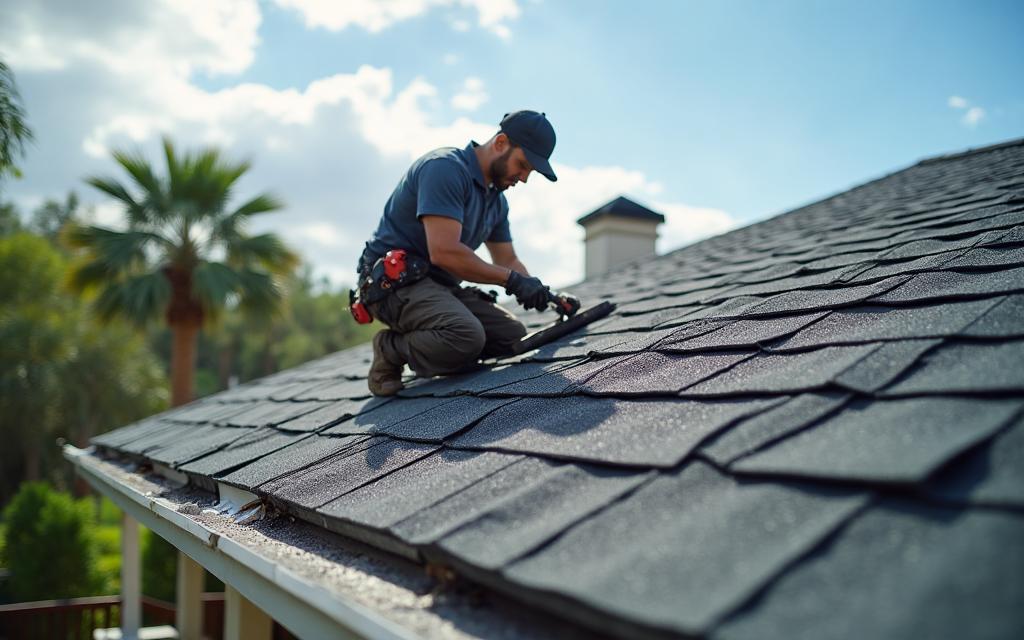
Regular professional maintenance inspections identify problems before they become costly repairs.
Your roof is the most expensive component of your home's exterior — and also one of the most neglected. Most homeowners only think about their roof when something goes wrong. But for Pinellas County Florida homeowners, proactive maintenance isn't just advisable — it's essential per Florida Building Code guidelines. Our combination of intense UV, hurricane-force winds (June 1 - November 30), relentless summer rain, and tropical humidity puts asphalt shingles, tile, and metal roofs under constant stress year-round. Schedule your professional roof inspection: (727) 274-9174.
The good news: a consistent seasonal maintenance routine takes just a few hours per year and can add 5–10 years to your roof's lifespan while preventing costly emergency repairs. Our licensed Pinellas County roofing contractors share your complete Florida roof maintenance checklist, organized by season.
Spring (March–May)
Full Roof Inspection After Winter
Florida winters are mild but still bring cold fronts, wind, and occasional heavy rain. Spring is the ideal time to inspect your roof for any damage sustained over winter. Walk the perimeter of your home and look for displaced or cracked shingles, damaged flashing, or debris accumulation. Better yet, schedule a professional inspection.
Pro Tip: Spring inspections give you time to make repairs before hurricane season begins.
Clean Gutters and Downspouts
Winter storms deposit leaves, twigs, and debris into gutters. Clogged gutters prevent proper water drainage, causing water to back up under your shingles or overflow along your foundation. Clean all gutters and flush downspouts to ensure clear water flow. Check for sagging sections and secure any loose gutter hangers.
Pro Tip: Install gutter guards to reduce cleaning frequency — especially if you have overhanging trees.
Pre-Hurricane Season (May–June)
Schedule a Professional Roof Inspection
Before hurricane season officially begins on June 1st, have a licensed roofer inspect your roof from the top. A professional can identify weak points, loose shingles, deteriorating flashing, and compromised seals that a homeowner would miss from the ground. Catching these issues before a major storm can mean the difference between minor repairs and catastrophic damage.
Pro Tip: Schedule inspections in April or May — roofing contractors get booked solid once hurricane warnings begin.
Check and Reinforce Flashing
Flashing around chimneys, skylights, vents, and in roof valleys is among the first things to fail during high winds. Inspect all flashing for rust, gaps, lifted edges, or missing sealant. Have any compromised flashing resealed or replaced before storm season. Well-maintained flashing is one of the most effective leak prevention measures you can take.
Pro Tip: Roof cement is a temporary fix — proper flashing requires professional installation for lasting protection.
Trim Overhanging Tree Branches
Tree branches that overhang your roof can cause serious damage during hurricanes and tropical storms. Branches break off in high winds and puncture roofing materials, or entire trees can fall. Trim any branches within 10 feet of your roofline. This also reduces debris accumulation in gutters and prevents moisture-retaining shade on your roof surface.
Pro Tip: Hire a certified arborist for large trees near your home — improper trimming can stress the tree and make it more likely to fail.
Summer (June–September)
Monitor After Every Major Storm
During Florida's active storm season, perform a ground-level visual inspection after every significant storm. Look for displaced shingles, debris accumulation, and granule loss in gutters. If you notice any interior ceiling stains, investigate immediately — waiting even a few days for the next storm can turn a small repair into major water damage.
Pro Tip: Keep a simple storm-damage log with photos and dates. This documentation is invaluable for insurance claims.
Check Attic Ventilation
Florida summers push attic temperatures above 150°F in poorly ventilated spaces. This extreme heat accelerates shingle deterioration from the inside out, prematurely aging your roof by years. Ensure your soffit vents and ridge vents are unobstructed and functioning. Proper ventilation also reduces cooling load on your HVAC system.
Pro Tip: A properly ventilated attic should maintain temperatures within 10–15°F of outdoor temperature. Higher temps signal ventilation problems.
Fall (October–November)
Post-Hurricane Season Inspection
After Florida's hurricane season ends in November, schedule your second professional roof inspection of the year. Even if no major storms hit directly, months of heavy rain, tropical moisture, and wind take a cumulative toll. Fall inspections catch deterioration and minor damage before winter, giving you time to make repairs when contractor schedules are more flexible.
Pro Tip: Fall inspections are also a good time to assess whether your roof will need replacement within the next 1–3 years, allowing you to plan and budget.
Clear Debris and Check Drainage
Fall brings increased leaf drop, even in Florida's subtropical climate. Leaves accumulate on your roof and in gutters, trapping moisture against roofing materials and promoting moss and algae growth. Clear your roof of all debris and give gutters a final thorough cleaning before December rains arrive.
Pro Tip: Use a roof rake or leaf blower for debris on the roof — never use a pressure washer, which can strip granules from asphalt shingles.
Annual Maintenance Summary
Spring: Inspect & clean gutters
Pre-season: Professional inspection
Pre-season: Check & repair flashing
Pre-season: Trim overhanging branches
Summer: Post-storm monitoring
Summer: Check attic ventilation
Fall: Post-hurricane inspection
Fall: Final debris clearance & gutter clean
The Bottom Line
Consistent seasonal maintenance is the single most effective thing a Florida homeowner can do to protect their roofing investment. Two professional inspections per year — spring and fall — combined with your own attentive monitoring after storms, can catch 90% of problems before they become expensive emergencies. Don't wait for a leak to remind you your roof needs attention.